The GLP-1 Revolution: What Science Now Says About Weight Loss, Metabolism & Supplementation in 2026
The fitness and health world is buzzing like never before — and at the center of it all is one topic: sustainable, metabolically-driven weight loss. With GLP-1 receptor agonists dominating mainstream media and millions searching for safer, more accessible alternatives, 2026 has become a pivotal moment for anyone serious about body transformation.
Whether you've heard of Semaglutide, Tirzepatide, or their natural supplement counterparts, one thing is clear: the era of crash diets and extreme caloric restriction is over. The new standard is metabolic intelligence — working with your body's hormones, gut health, and cellular energy systems, not against them.
In this article, we break down exactly what's happening in the weight-loss world right now, what the research actually says, and how smart supplementation can help you achieve results that last — safely and without a prescription.
1. What Is GLP-1 and Why Is Everyone Talking About It?
GLP-1 stands for Glucagon-Like Peptide-1 — a hormone naturally produced in your gut when you eat. Its primary roles include stimulating insulin secretion, suppressing appetite, slowing gastric emptying, and signaling your brain that you're full. In short: it's a master regulator of hunger and metabolism.
Pharmaceutical GLP-1 agonist drugs have shown dramatic results in clinical trials — participants losing 15–22% of their body weight. This was unprecedented, and it sent shockwaves through the medical community. But these drugs come with barriers: high cost (often $1,000+/month), limited availability, and potential side effects including nausea, fatigue, and muscle loss.
2. The Real Problem With Modern Weight Loss Approaches
Most people who struggle with weight are dealing with one or more of these metabolic disruptors:
- Insulin resistance — Your cells stop responding to insulin efficiently, leading to fat storage and energy crashes.
- Gut dysbiosis — An imbalanced microbiome disrupts hunger hormones, increases inflammation, and impairs fat metabolism.
- Chronic cortisol elevation — Stress-driven cortisol promotes abdominal fat storage and breaks down muscle tissue.
- Thyroid sluggishness — Even subtle thyroid dysfunction slows your metabolic rate by 10–30%.
- Poor sleep architecture — Just 5 nights of sleep restriction can reduce fat loss by 55%, according to University of Chicago research.
- Nutrient deficiencies — Low magnesium, vitamin D, zinc, and B-complex vitamins directly impair energy production and hormonal signaling.
A successful weight-loss strategy in 2026 must address these root causes — not just create a caloric deficit. That's why multi-mechanism supplements are gaining so much traction.
3. The Evidence-Based Ingredients Dominating 2026
Based on the latest systematic reviews and meta-analyses, here are the ingredients with the strongest evidence for fat loss and metabolic support:
| Ingredient | Mechanism | Evidence Level |
|---|---|---|
| Berberine | Activates AMPK, mimics metformin, improves insulin sensitivity | 🟢 Strong (multiple RCTs) |
| Green Tea Extract (EGCG) | Increases thermogenesis, enhances fat oxidation | 🟢 Strong |
| Probiotics (multi-strain) | Restores microbiome balance, reduces gut-origin inflammation | 🟢 Strong |
| Ashwagandha | Lowers cortisol, supports thyroid, reduces stress-eating | 🟡 Moderate–Strong |
| MCT Oil | Increases ketone production, satiating, thermogenic | 🟢 Strong for keto |
| Chromium Picolinate | Reduces carb cravings, improves blood sugar regulation | 🟡 Moderate |
| Citrus Aurantium | Stimulates lipolysis without CNS overstimulation | 🟡 Moderate |
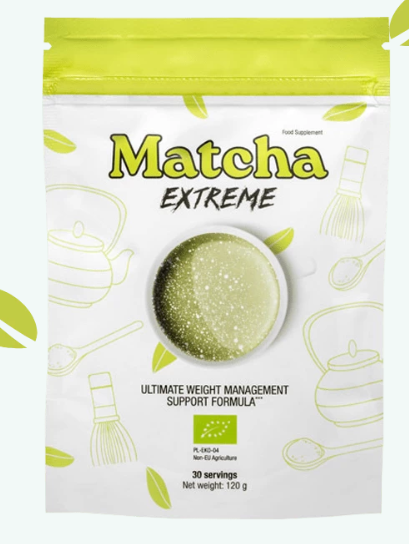
| Matcha (L-theanine + Caffeine) | Synergistic alertness + fat oxidation without jitters | 🟢 Strong |
4. The Gut-Weight Connection: Why Your Microbiome Is Everything
One of the most significant advances in metabolic science over the past 3 years is the understanding that your gut microbiome directly controls your weight — perhaps even more than caloric intake.
Landmark research published in Nature and Cell Metabolism has shown that obese individuals consistently have lower diversity of gut bacteria, higher levels of Firmicutes vs. Bacteroidetes (bacteria that extract more calories from food), and impaired production of short-chain fatty acids (SCFAs) — compounds that signal satiety and fuel the gut lining.
How to Restore Your Gut for Fat Loss
- Take a high-quality probiotic with strains clinically shown to reduce weight (Lactobacillus gasseri, Bifidobacterium longum)
- Feed your microbiome with prebiotic fiber (chicory root, psyllium, green banana)
- Reduce ultra-processed foods that destroy beneficial bacteria within 48–72 hours
- Consider fermented supplement blends that combine prebiotics + probiotics for synergistic effect
5. Testosterone, Hormones & Body Composition
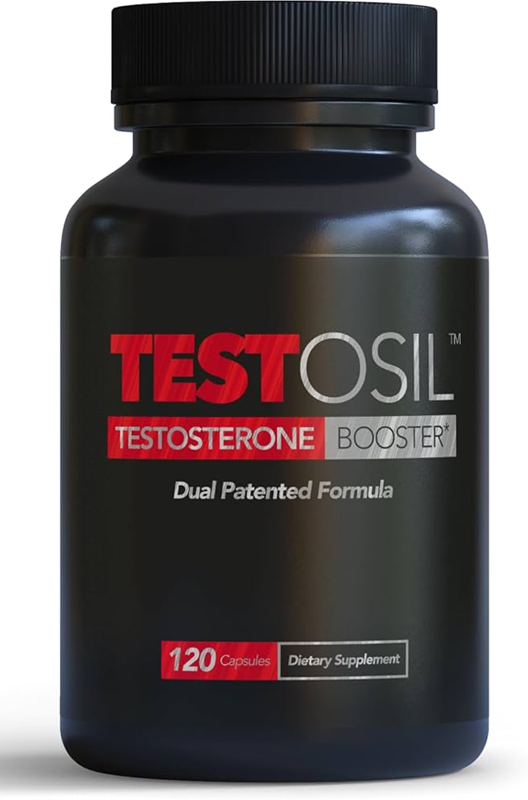
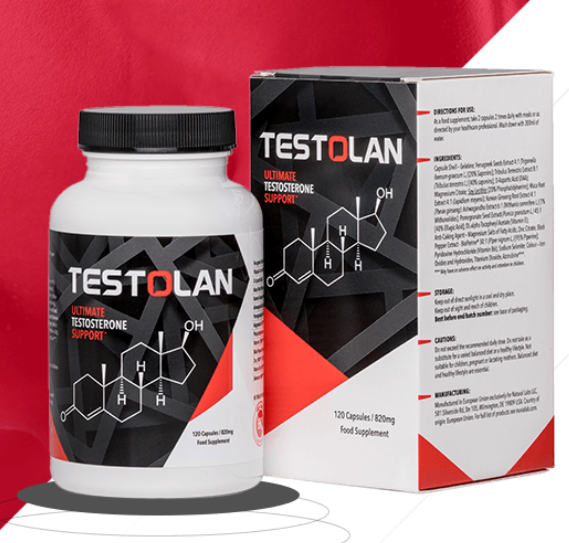
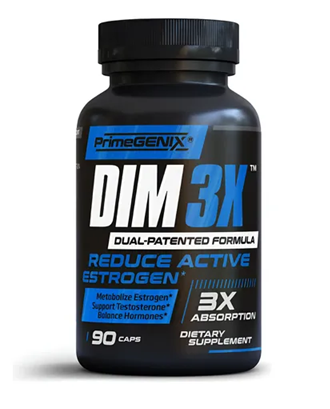
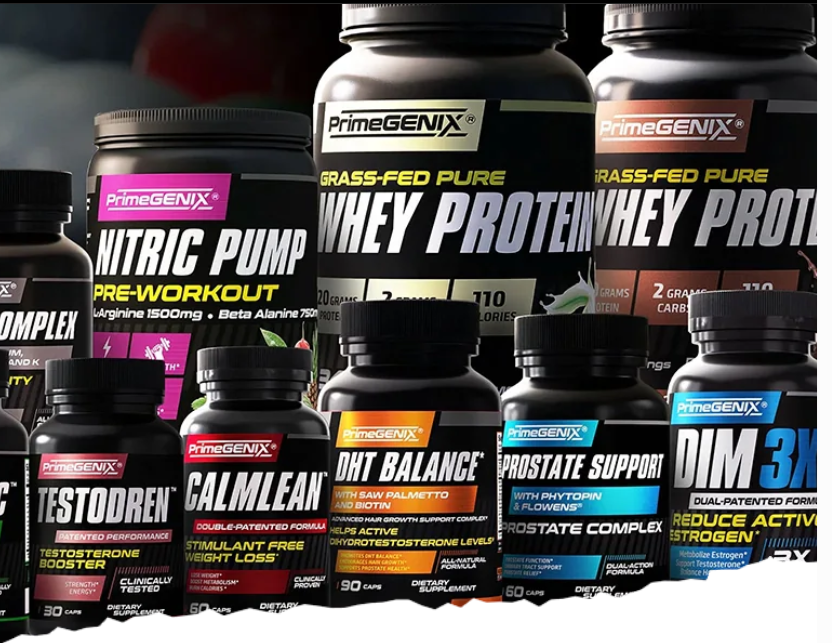
For men specifically, the relationship between testosterone and body composition is direct and powerful. Lower testosterone accelerates fat accumulation (particularly visceral), accelerates muscle loss, reduces motivation to exercise, and creates a negative spiral that's extremely hard to break without intervention.
Research from the Journal of Clinical Endocrinology shows that men over 30 experience an average testosterone decline of 1–2% per year. By age 45, many men have clinically suboptimal levels — yet still fall within "normal" lab reference ranges. This is known as functional hypogonadism, and it's vastly underdiagnosed.
6. The Keto Advantage: Still Relevant in 2026
Despite the noise from competing diets, the ketogenic approach continues to deliver exceptional results — particularly when combined with MCT supplementation. The reason is simple: ketosis doesn't just burn fat, it fundamentally resets your metabolic machinery.
A 2025 meta-analysis of 43 studies confirmed that very low-carbohydrate ketogenic diets produce significantly greater short-term fat loss, better improvement in triglycerides and HDL cholesterol, and superior appetite control compared to low-fat diets — making it the top evidence-based dietary framework for rapid body recomposition.
- MCT oil (C8 caprylic acid) converts to ketones within 30 minutes of ingestion
- Electrolyte support prevents "keto flu" during adaptation
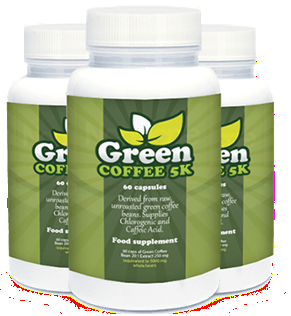
- Green coffee and matcha provide thermogenic support during carb restriction
- Caprylic acid MCT specifically has been shown to reduce appetite hormones by up to 18%
7. Anti-Aging, HGH & Longevity: The New Frontier
In 2026, the fitness conversation has expanded beyond aesthetics into healthspan — how many years you can live at full physical and cognitive capacity. Human Growth Hormone (HGH), IGF-1 signaling, and cellular senescence are now front and center in performance supplementation.
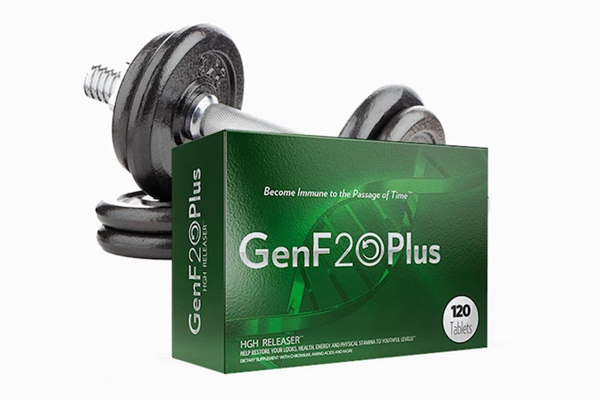
Natural HGH secretagogue supplements (compounds that stimulate your pituitary gland to release more HGH) represent one of the most exciting areas in performance nutrition. Combined with sleep optimization, resistance training, and strategic intermittent fasting, these compounds have demonstrated clinically significant improvements in body composition, recovery speed, skin quality, and energy.
🎯 Bottom Line: What You Should Do Right Now
The science of body transformation has never been more advanced — or more accessible. Whether your goal is rapid fat loss, lean muscle gain, hormonal optimization, gut health, or longevity, there is a targeted, evidence-based supplement stack that can accelerate your results when combined with consistent training and smart nutrition.
Below, we've curated the best-in-class products across every major goal category. Each one has been selected based on ingredient quality, clinical backing, user results, and value for money. Browse by goal, find your match, and take the first step toward your best shape yet.