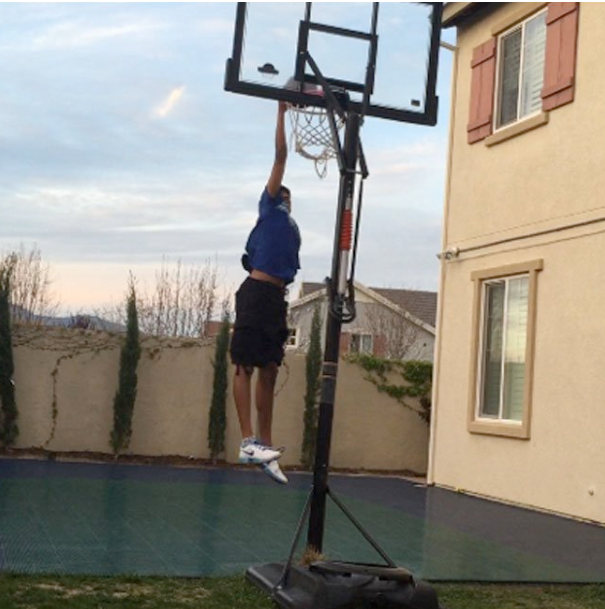
Every basketball player, volleyball athlete, and weekend competitor has thought about it at some point: what would it take to jump noticeably higher? To get up over defenders, reach the rim more easily, or finally feel explosive coming off the ground?
The frustrating reality is that most people who try to improve their vertical jump spend weeks or months training without moving the needle. It is not always a lack of effort. More often, it comes down to training the wrong way — using methods that feel productive but do not target the specific muscles and movement patterns that actually determine how high you jump.
This review takes an honest look at the vertical jump training landscape, explains why so many approaches fall short, and examines one specific program — Vert Shock — that has gained attention for taking a different approach.
What Actually Determines Your Vertical Jump?
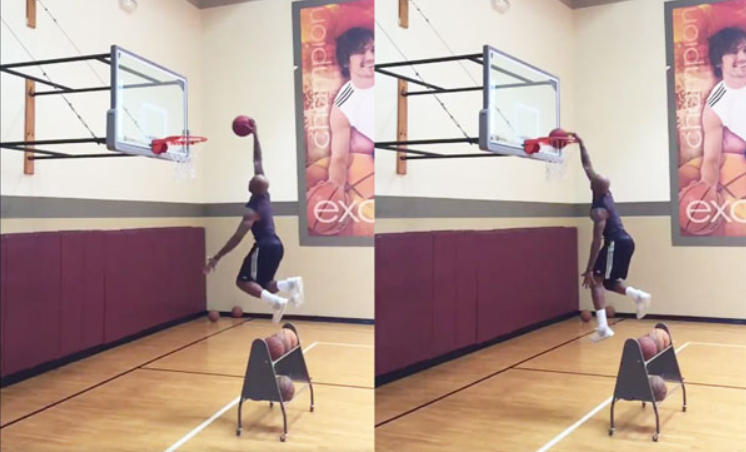
Before looking at training solutions, it helps to understand what the vertical jump actually measures. Your jump height is primarily determined by power output from your lower body — specifically your ability to generate force quickly. The technical term for this is rate of force development, and it is different from raw strength.
A person with massive legs from years of heavy squatting does not automatically jump high. A jump is an explosive, ballistic movement that happens in a fraction of a second. Training it effectively requires targeting fast-twitch muscle fibers and the neuromuscular patterns that activate them at the right moment.
This is why many standard gym routines fail to move the needle. Slow, heavy strength work builds a certain kind of fitness, but it does not necessarily translate into vertical explosiveness without specific, complementary training.
Fast-twitch muscle fiber recruitment — how efficiently your nervous system activates explosive muscle fibers
Reactive strength — the stretch-shortening cycle that stores and releases energy through tendons
Coordination and technique — proper arm swing, hip loading, and takeoff mechanics add measurable inches
Training consistency and progression — gains are earned incrementally through structured overload
Why Most Athletes Hit a Plateau and Stay There
Improving your vertical jump is one of the most commonly pursued athletic goals, and one of the most commonly abandoned. The pattern tends to look the same across different sports and skill levels.
Common Training Mistakes
An athlete starts motivated. They find a set of drills online, add some jump training to their weekly routine, and see minor gains in the first few weeks. Then the improvements stop. They add more volume, train harder, and still do not move. Eventually they assume they have simply reached their genetic ceiling and move on.
In most cases, that ceiling was not genetic. It was a programming problem. The training lacked proper periodization, failed to progress systematically, or never addressed the specific adaptations needed for explosive vertical power.
- Doing the same movements at the same intensity week after week without progression
- Prioritizing strength training without plyometric and reactive work
- Poor recovery between high-intensity jumping sessions
- No structured training phases — just random drills without a system
- Ignoring technique — takeoff mechanics and arm drive can add several inches on their own
- Expecting fast results and stopping before the program has time to work
Note: Figures above are based on general sport science principles and are for educational context only. Individual results vary.
Comparing the Most Common Approaches to Jump Training

There is no shortage of options for athletes who want to increase their vertical jump. The challenge is knowing which approaches actually produce results and which ones waste time.
| Approach | What It Involves | Realistic Assessment |
|---|---|---|
| Generic gym program | Squats, leg press, general strength work | Builds a strength base but rarely transfers to explosive vertical power alone |
| YouTube drills & free content | Assorted exercises without a structured system | Some useful movements; lacks progression, periodization, and context |
| Jump shoes / weighted equipment | Resistance devices worn during training | Results are inconsistent; some carry injury risk without proper supervision |
| Working with a trainer | Personalized programming and coaching | Can be highly effective; costly and requires access to the right coach |
| Structured jump program | Phased training built around plyometrics and explosive development | Most accessible and effective approach for most athletes when well-designed |
The pattern that emerges from the research and from athlete experiences is fairly consistent: random exercise selection without a program rarely works. Structured, phased training that specifically targets the neuromuscular and mechanical factors of jumping produces the most reliable progress for most people.
“The difference between athletes who improve their vertical and those who stay stuck is almost always the quality of their programming — not their genetics.”
Athlete Performance Lab — Training AnalysisVert Shock is a structured vertical jump training program built around plyometrics and shock training principles. It is designed to help athletes of various levels improve their jump height through a phased, progressive approach — without requiring gym equipment or a personal trainer. Below is an honest look at what the program contains, who it works for, and where its limitations lie.
Vert Shock Review: What It Is and How It Works

Vert Shock was created by Adam Folker, a professional basketball player, alongside Justin Darlington, a professional dunker who competes internationally. The program draws on their combined experience in developing explosive vertical power at an elite level and packaging it into a format accessible to athletes who do not have the same resources or coaching infrastructure.
The central methodology is built around plyometric and shock training — techniques designed to train the neuromuscular system to produce power more efficiently, rather than simply building muscle size. The program makes the argument that most of your jump potential is neurological: how quickly and completely your nervous system can activate the right muscles at the right moment.
The Three-Phase Structure
The program is divided into three distinct phases, each targeting a different stage of adaptation:
- Pre-Shock Phase (Week 1) — An introductory week that prepares joints, tendons, and movement patterns for the intensity to follow. Often lighter than expected, but important for injury prevention and baseline activation.
- Shock Phase (Weeks 2–7) — The core of the program. High-volume plyometric sessions designed to trigger fast-twitch fiber recruitment and develop reactive strength through progressive overload.
- Retention Phase (Week 8) — A deload and consolidation week that allows the body to absorb the training adaptations and stabilize the gains made during the shock phase.
What You Get
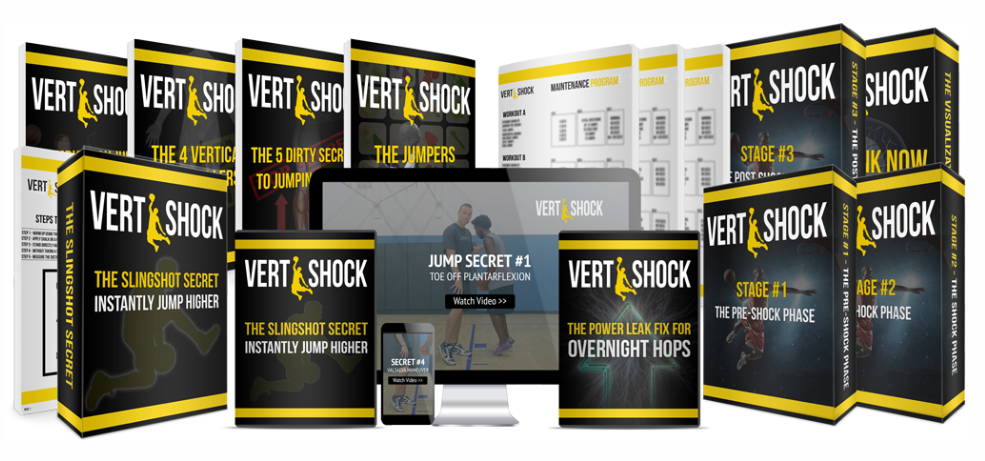
- A fully structured 8-week training calendar with daily workouts
- Instructional video demonstrations for all exercises
- Training designed primarily for court or gym floor settings without heavy equipment
- Guidance on training frequency, recovery, and progression management
- Access to a community of athletes going through the program
Who Is This Program Designed For?
Vert Shock works best for athletes who are past the complete beginner stage — people who are already active and reasonably fit, but who have plateaued with their vertical jump or have never trained it directly. Basketball players working toward the rim, volleyball players looking to improve their block or attack height, and general athletes interested in improving lower body explosiveness are the most natural fit.
It is not a program for people who are currently injured, highly deconditioned, or looking for a general fitness solution. The plyometric volume in the shock phase is significant, and your body needs a base level of conditioning to handle it without risking overuse issues.
What Works Well
- Clear, phased structure with logical progression
- Minimal equipment required — body weight and space
- Creator credibility (professional athletes with verified results)
- Focused specifically on the neuromuscular side of jumping
- Structured rest and recovery built into the program
Worth Keeping in Mind
- Requires consistent follow-through — skipping sessions affects results
- Plyometric volume is demanding; base fitness is important beforehand
- Not a strength program — works best alongside some complementary strength work
- Individual results depend on genetics, consistency, and starting point
What Athletes Are Saying About Vert Shock

We reviewed publicly available feedback from athletes who have completed or are working through the Vert Shock program. Across different sports and experience levels, several consistent themes emerge:
I had been playing rec basketball for three years without touching the rim. After going through this program consistently, I can now grab the net. The structure made a real difference — I finally understood why I was doing each drill.
Recreational Basketball Player — User Feedback
I was skeptical because I had tried several jump programs before. The shock phase is genuinely challenging, but by week five I noticed I was coming off the ground faster. That reactive component is different from anything I had done before.
Club Volleyball Player — User Feedback
The program works, but you have to be disciplined. I made the mistake of skipping recovery days in week three and my knees felt it. When I ran it again properly, the results were much more consistent.
College Athlete — User Feedback
What I appreciated most was that it gave me a clear schedule. I did not have to guess what to do each day. By week eight I had added measurable height to both my standing reach and my running jump.
High School Basketball Player — User Feedback
Testimonials above reflect general themes from publicly available user feedback. Individual outcomes vary based on starting point, consistency, and individual physiology.
Final Assessment: Is Vert Shock Worth Your Time?

Improving your vertical jump is a genuinely attainable goal for most athletes, but it requires targeted, structured training. Random drills without a system rarely move the needle. The athletes who see real progress are those who commit to a phased, progressive approach that specifically develops the explosive qualities jumping demands.
Vert Shock addresses the core problem that most jump training gets wrong: it prioritizes the neuromuscular and reactive side of jumping, not just raw strength. The phased structure, the emphasis on plyometric progression, and the creator credibility all support the program’s reputation among athletes who have used it.
That said, it is not a magic shortcut. The shock phase demands real effort and consistency. Athletes who skip sessions, ignore recovery, or bring inadequate base fitness are likely to see diminished results or put themselves at risk of overuse issues. Like any training system, what you put in shapes what you get out.
“For athletes serious about increasing their vertical, the real question is not whether training works — it does. The question is whether you have the right program and the consistency to see it through.”
Athlete Performance LabIf you are at a plateau, have been training inconsistently, or have simply never followed a structured jump program before, Vert Shock is designed for exactly that situation. The free presentation on their site walks through the methodology in detail — including the specific science behind the shock training approach — and is the clearest way to decide whether this fits where you are as an athlete.
Ready to Train Your Vertical the Right Way?
The Vert Shock presentation explains the full methodology, what the 8-week program involves, and what kind of athlete it is designed for. Free to watch — no commitment required.
See the Full Program Details ↗ No purchase necessary to learn more